
 Aaron Arthur
Introduction to Loose Leaf Tea
If you’ve ever sipped a cup of tea and thought, “This could taste better,” chances are you were drinking bagged tea. Loose leaf tea opens up a whole new world of flavor, aroma, and health benefits. The best part? You don’t need fancy teapots, strainers, or specialized gear to get started. With a few smart tricks, anyone can brew a satisfying cup at home.
Why Brewing Loose Leaf Tea Matters
Better Flavor and Aroma
Loose leaf tea contains whole leaves or large leaf fragments, which release more natural oils. That means richer flavors, fresher aromas, and a fuller-bodied cup compared to bagged tea dust.
Health Benefits of Loose Leaf Tea
Packed with antioxidants, amino acids, and polyphenols, loose leaf tea can support brain health, immunity, and stress relief. If you’re curious, dive deeper into the health benefits of tea.
Getting Started Without Fancy Equipment
The Myth of Needing a Teapot
Forget the idea that you need a traditional teapot or special gear. People have brewed tea for centuries using whatever they had at hand—cups, bowls, even jars.
Everyday Household Items You Can Use
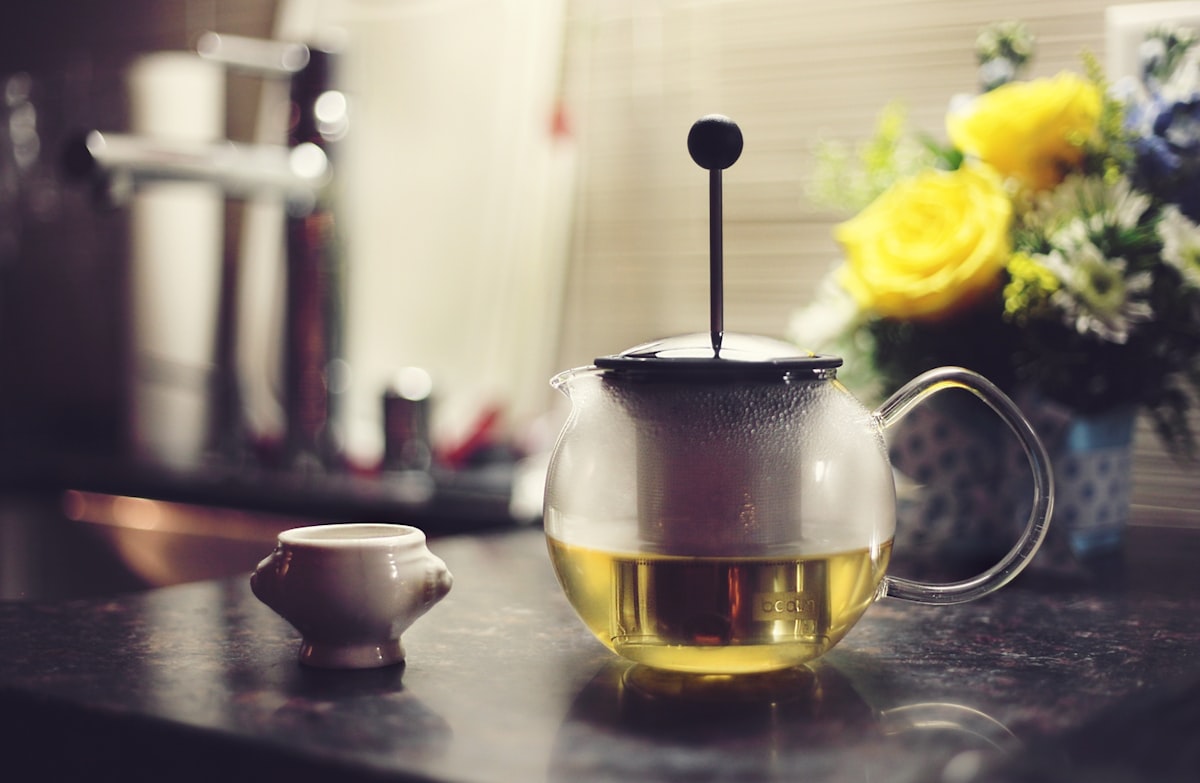
From a kitchen mug and a strainer to a French press, you probably already own tools that double as tea-brewing equipment. We’ll cover easy methods below.
9 Loose Leaf Tea Brewing Tips for Beginners
Tip 1: Choose Quality Loose Leaf Tea
Start with the best tea you can afford. Quality leaves mean better taste.
How to Spot Fresh Tea Leaves
Look for vibrant color, a fragrant smell, and leaves that aren’t crushed into powder. Explore tea varieties before choosing.
Tip 2: Measure the Right Amount
Using too much tea makes it bitter, while too little makes it weak.
The Golden Ratio of Tea to Water
A good rule of thumb is 1 teaspoon of tea per 8 ounces of water. Adjust to your liking.
Tip 3: Use Fresh, Filtered Water
Water is 95% of your cup, so it matters.
Why Tap Water Can Spoil the Flavor
Tap water often carries chlorine or minerals that dull tea flavor. If possible, use filtered or bottled water.
Tip 4: Pay Attention to Water Temperature
Different teas need different heat levels.
Simple Tricks for Estimating Heat
If you don’t have a thermometer, boil water and let it sit:
- Green tea: let it rest 2–3 minutes
- Black tea: use boiling water
- Herbal tea: boiling or near boiling
More brewing temperature tips are available if you want to go deeper.
Tip 5: Try DIY Infusion Methods
No infuser? No problem.
Using a Mug, Strainer, or French Press
You can brew tea directly in a mug, then strain it with a kitchen sieve or even a fork. A French press works beautifully for loose leaf tea, too.
Tip 6: Time Your Steep Carefully
Over-steeping can ruin even the best tea.
Avoiding Over-Steeping and Bitterness
Green teas: 2–3 minutes
Black teas: 3–5 minutes
Herbal teas: 5–7 minutes
Check more tea brewing tips.
Tip 7: Experiment with Cold Brew
Cold brew isn’t just for coffee lovers.
How to Make Cold Brew Without Tools
Place tea leaves in a jar, add cold water, cover, and let sit in the fridge overnight. Strain before drinking. Explore more cold brew teas.
Tip 8: Mix and Match Flavors
Loose leaf tea is perfect for experimenting.
Adding Herbs, Fruits, or Spices
Toss in mint leaves, lemon slices, or cinnamon sticks. Check tea blends for inspiration.
Tip 9: Re-Steep Your Leaves
Good tea can be brewed multiple times.
Maximizing Value and Taste
Second and third steeps often taste smoother and sweeter than the first.
Common Mistakes Beginners Make
Using Too Much Tea
More leaves don’t always mean better flavor. Stick to the ratio.
Ignoring Water Quality
Don’t underestimate the impact of clean water.
Overcomplicating the Process
Keep it simple. Brewing tea should feel relaxing, not stressful.
Loose Leaf Tea and Lifestyle
Making Tea Part of Your Daily Ritual
Tea brewing can be a calming ritual that helps you slow down and reconnect with yourself. Discover more in tea lifestyle.
Connecting with the Tea Community
From forums to local meetups, there’s a global tea community waiting to share tips and stories.
Conclusion
Brewing loose leaf tea without equipment isn’t just possible—it’s fun, affordable, and deeply satisfying. All you need are a few simple tricks, some fresh leaves, and a willingness to experiment. Whether you’re starting your day with a brisk black tea or winding down with a calming herbal blend, loose leaf tea has something to offer every beginner.
FAQs
1. Can I brew loose leaf tea without an infuser?
Yes! You can use a kitchen strainer, a French press, or even brew directly in a mug and strain with a fork.
2. How do I know if I used too much tea?
If your tea tastes bitter or overly strong, try reducing the amount of leaves next time.
3. Can I reuse tea leaves?
Absolutely. Many high-quality teas can be re-steeped two or three times.
4. What’s the easiest beginner-friendly loose leaf tea?
Green tea and black tea are great starting points, but herbal teas are also forgiving for beginners.
5. Do I need bottled water to brew tea?
Not always, but filtered or spring water usually makes tea taste cleaner and fresher.
6. How long should I steep my tea?
It depends: green tea (2–3 minutes), black tea (3–5 minutes), and herbal tea (5–7 minutes).
7. Can I make iced tea with loose leaf tea?
Yes! You can brew it hot and pour over ice, or try cold brew for a smoother taste.